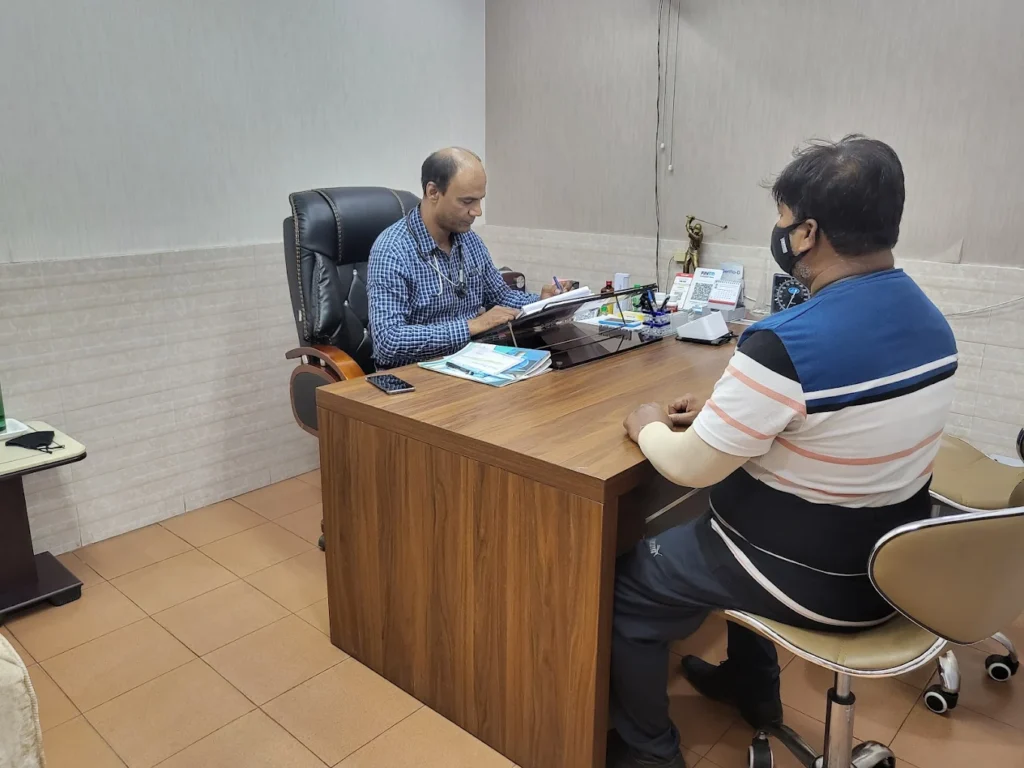
Loss of Desire Treatment in Delhi
Understand the Causes, Types & Next Steps for Your Well-Being
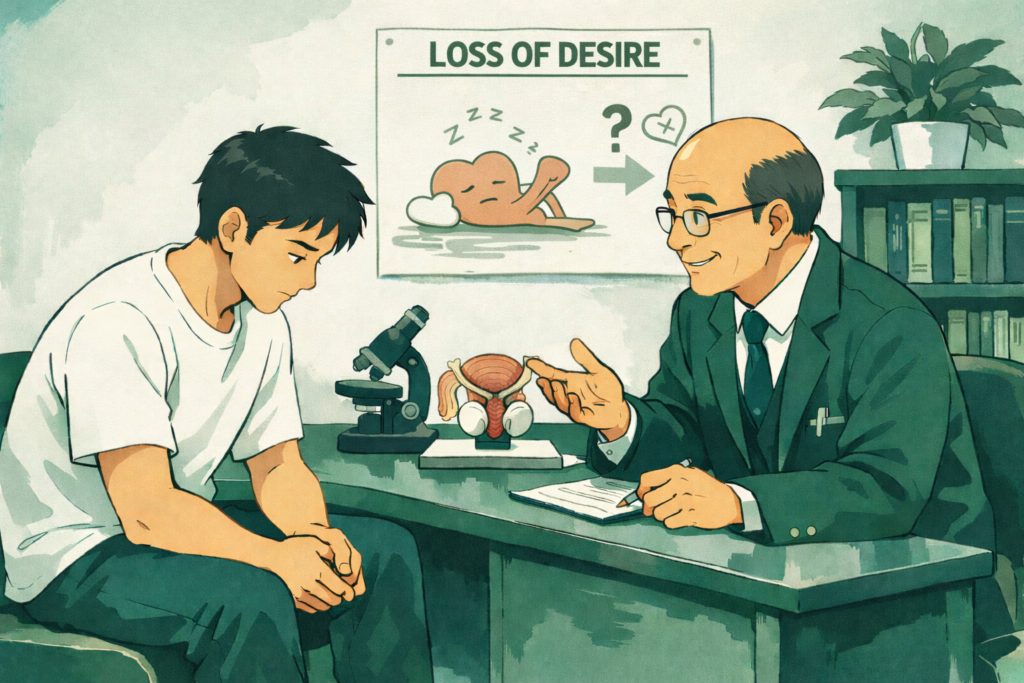
Many People Experience Loss of Desire at Some Stage of Life
If you feel your interest in intimacy has decreased, you may feel confused or worried. Some men quietly think:
“Why don’t I feel the same excitement anymore?”
“Is my body becoming weak?”
“Will my partner misunderstand me?”
These thoughts can create emotional pressure. But desire is influenced by both the mind and the body. Stress, fatigue, health issues, and emotional factors can all affect how a person feels about closeness and relationships. In many cases, once the reasons are understood, people start feeling more relaxed and confident again.
Have you ever felt that way? (Symptoms)
Loss of desire can appear in different ways. You might notice things like:
Some people may also feel frustrated, confused, or worried about these changes. If these feelings continue for a long time, they may begin affecting confidence and relationships.
If you are experiencing these symptoms, it is important to consult a specialist for proper evaluation.
Why does Loss of Sexual Desire happen?
Many people think desire disappears suddenly. But usually there are several reasons for working together. Based on years of experience, Dr. N. A. Khan has seen reduced desire happen because of factors such as:
• Stress or mental pressure
• Lack of sleep or constant fatigue
• Hormonal imbalance
• Relationship tension
• Depression or anxiety
• Long-term health conditions
• Lack of physical activity
• Unhealthy lifestyle habits
• Smoking or alcohol use
Sometimes the mind becomes tired, the body becomes exhausted, or emotional stress becomes high. When that happens, interest in intimacy may naturally decrease. Understanding the real cause helps doctors guide patients toward improvement.
Speak Confidentially With Our Doctor
If you feel that your desire for intimacy has reduced, you do not have to ignore it or feel embarrassed. A calm and confidential consultation can help you understand what may be affecting your overall wellbeing.
Know Which Type of Loss of Desire You May Have?
When Should You See a Doctor for Loss of Desire?
At The Unani Clinic, patients are treated with privacy, patience, and respect. Dr. Khan understands that concerns related to intimacy and confidence can feel very personal. During consultation, he focuses on:
• Understanding your health history
• Discussing lifestyle and stress levels
• Evaluating hormonal balance if needed
• Guiding patients toward improving overall vitality and wellbeing
Over the years, many patients have consulted Dr. N. A. Khan regarding reduced desire and relationship concerns. With proper guidance, lifestyle changes, and time, many individuals report feeling more energetic and confident again.
How Dr. N. A. Khan Approaches This Condition
With over 25 years of experience, Dr. N. A. Khan has treated thousands of patients facing loss of desire. Many came after trying random medicines or feeling misunderstood elsewhere.
At The Unani Clinic:
- Patients are listened to patiently
- Mental and physical health are both evaluated
- Treatment is planned gently and naturally
- Lifestyle guidance is given along with medicine
Patients often say they feel comfortable talking openly, which itself becomes a part of healing.👉 Feeling understood is the first step toward recovery.
Patient Experiences at Dr. N. A. Khan’s Unani Clinic


Frequently Asked Questions
What does loss of desire mean?
Loss of desire means reduced interest in intimacy or physical closeness.
Is it normal for desire to decrease?
Yes. Interest in intimacy can change over time due to stress, health, emotions, or lifestyle factors.
Can stress reduce desire?
Yes. Stress and mental pressure can reduce energy and interest in closeness.
Can lifestyle affect desire?
Yes. Sleep, diet, physical activity, and emotional wellbeing all influence overall health and desire.
When should I consult a doctor?
If reduced desire continues for a long time or affects your confidence or relationship, consulting a doctor may help.
Changes in sexual desire can sometimes make people feel confused or worried. But remember this. Sexual health is influenced by both the mind and the body. Understanding what your body is experiencing can help you move forward with clarity, confidence, and better wellbeing.
Related Conditions We Treat
Many patients searching for men’s infertility issues and sexual health solutions visit Dr. N.A. Khan at The Unani Clinic, South Delhi. Along with Azoospermia, Dr. Khan provides specialised Unani treatment for a range of closely related conditions that often occur together.