

Oligospermia Doctor in East Delhi
Oligospermia Doctor in East Delhi
Oligospermia, commonly known as low sperm count, is a male fertility condition that can make natural conception difficult. It occurs when the number of sperm present in semen is lower than the normal range required for fertilization. While this condition can be stressful for individuals and couples. timely consultation with an experienced oligospermia doctor in East Delhi can help identify the cause and offer effective treatment options in a confidential and supportive setting.
What Is Oligospermia (Low Sperm Count)?
Oligospermia is diagnosed when semen contains fewer than 15 million sperm per milliliter. Sperm count plays a vital role in male fertility. and a reduced count can lower the chances of pregnancy. The condition may be mild. moderate. or severe depending on how low the sperm concentration is. With proper medical evaluation, many men with oligospermia can still achieve successful outcomes.
How Common Is Oligospermia?
Low sperm count is one of the most common male-related causes of infertility. Studies suggest that male factors contribute to nearly half of infertility cases among couples. Oligospermia affects men across different age groups and backgrounds, often without obvious symptoms, which is why professional evaluation becomes important.
Causes of Oligospermia
Several factors may lead to a low sperm count, including:
- Medical conditions: Hormonal imbalance, infections, varicocele, testicular injury, or genetic disorders
- Lifestyle habits: Smoking, alcohol consumption, drug use, obesity, and chronic stress
- Environmental exposure: Chemicals, pesticides and industrial toxins
- Medications: Some steroids, and certain long-term medications
- Age-related changes: Sperm quality may gradually decline with age
An experienced oligospermia doctor in East Delhi focuses on identifying the exact cause before planning treatment.
Symptoms of Oligospermia
In many cases, oligospermia does not cause noticeable symptoms. However, some men may experience:
- Difficulty achieving pregnancy after a year of unprotected intercourse
- Reduced sexual desire or changes in sexual performance
- Testicular pain, swelling, or discomfort
- Signs of hormonal imbalance such as reduced facial hair or muscle mass
How Oligospermia Is Diagnosed
Diagnosis involves a detailed evaluation that may include:
- Semen analysis to check sperm count, motility, and morphology
- Blood tests to assess testosterone and other hormone levels
- Ultrasound imaging to detect structural issues like varicocele
- Genetic testing when hereditary conditions are suspected
This comprehensive approach ensures accurate diagnosis and targeted treatment.
Oligospermia Treatment Options
Treatment depends on the underlying cause and severity of the condition. Common approaches include:
Lifestyle Improvements
Healthy diet, regular exercise, weight management, quitting smoking, and limiting alcohol intake can significantly improve sperm health.
Medications
Medicines may be prescribed to correct hormonal imbalance, treat infections, or improve sperm production.
Surgical Treatment
Surgical correction may be recommended for conditions such as varicocele that obstruct sperm production or transport.
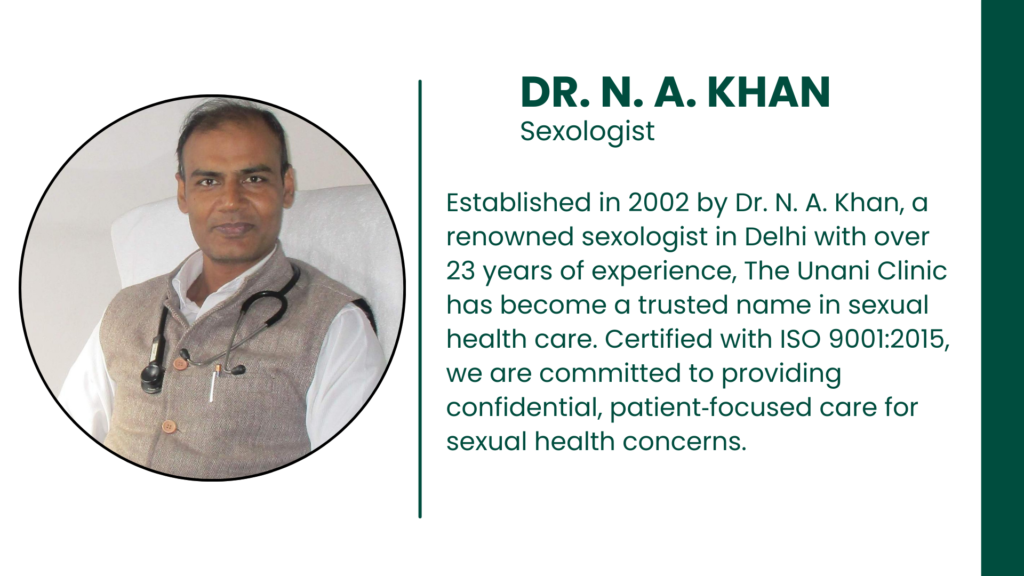
Why Choose an Oligospermia Doctor in East Delhi?
Consulting a specialized oligospermia doctor in East Delhi ensures personalized care, privacy, and evidence-based treatment. Early intervention improves outcomes and helps couples make informed decisions about family planning.
Oligospermia is a manageable condition when diagnosed early and treated correctly. With proper medical guidance, lifestyle changes, and advanced fertility support, many men are able to overcome low sperm count challenges. If you are facing fertility concerns, consulting a qualified oligospermia doctor in East Delhi can be the first step toward restoring reproductive health and achieving your parenthood goals.