

Azoospermia Doctor in East Delhi
Azoospermia Doctor in East Delhi
Azoospermia is a male fertility condition in which no sperm is found in the semen. It is usually detected when a couple is unable to conceive even after regular unprotected intercourse. To confirm azoospermia, doctors advise two or three semen tests done at different times.
Consulting an experienced azoospermia doctor in East Delhi is important because correct diagnosis and timely treatment can help many men achieve father hood.
What is Azoospermia?
Azoospermia means absence of sperm in semen. In this condition, semen looks normal in quantity and fluidity. but sperm cells are missing. It affects around 1% of men and nearly 10–15% of infertile males.
An azoospermia doctor in East Delhi first confirms the condition through repeated semen analysis and then identifies the exact cause.
Types of Azoospermia
1. Obstructive Azoospermia (OA)
In this type. sperm is produced in the testicles but cannot reach the semen due to blockage.
Common causes:
- Blockage in sperm tubes
- Absence of vas deferens from birth
- Past surgery like vasectomy
- Infections or injury
Many patients with this type get good results after treatment when diagnosed early by an azoospermia doctor in East Delhi.
2. Non-Obstructive Azoospermia (NOA)
Here. The problem is low or no sperm production in the testicles.
Possible reasons:
- Hormonal imbalance
- Genetic conditions
- Past chemotherapy
- Certain medicines
- Testes damage
This type needs careful evaluation by a skilled azoospermia doctor in East Delhi to decide the right treatment plan.
Symptoms of Azoospermia
Most men with azoospermia do not feel any physical symptoms.
The main sign is:
- Inability to conceive despite regular unprotected sex
That is why fertility testing becomes important if pregnancy does not happen within a year of trying.
Diagnosis by an Azoospermia Doctor in East Delhi
A proper diagnosis includes:
Medical History & Physical Exam
The doctor checks:
- Past disease or surgeries
- Lifestyle habits
- size and health
Semen Analysis
- At least 2–3 semen tests
- Confirms absence of sperm
Additional Tests
- Hormone tests (FSH, LH, Testosterone)
- Ultrasound or MRI
- Genetic testing if needed
These tests help the azoospermia doctor in East Delhi decide whether the condition is treatable or needs assisted techniques.
Case Study (Simple Example)
A 32-year-old man from East Delhi visited an azoospermia doctor after 2 years of infertility. His semen test showed no sperm. Further tests revealed obstructive azoospermia due to old infection. After proper treatment and minor procedure. sperm was successfully retrieved and the couple conceived with medical support.
This shows why correct diagnosis matters.
Treatment Options for Azoospermia
Treatment depends on the type and cause:
- Surgery for blockage
- Hormone therapy
- Treatment of infections
- Sperm retrieval techniques
- Assisted reproductive methods if required
An experienced azoospermia doctor in East Delhi guides patients step by step.
Natural Support & Lifestyle Changes
Azoospermia cannot be cured naturally, but healthy habits help prevent further damage and support treatment:
- Eat a balanced diet rich in antioxidants, zinc, and vitamins
- Exercise regularly and maintain a healthy weight
- Avoid smoking, alcohol, and anabolic steroids
- Reduce stress with yoga. meditation, or relaxation techniques
- Limit exposure to heat, toxins. and radiation
- Treat varicocele or infections at the right time
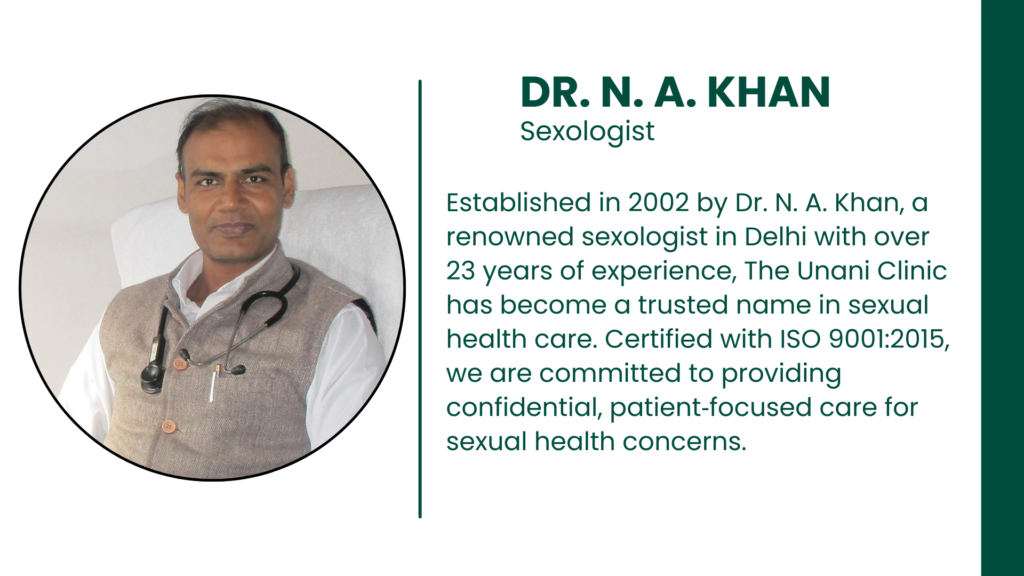
When to Consult an Azoospermia Doctor in East Delhi?
- No pregnancy after 1 year of trying
- Semen report shows zero sperm
- History of testicular injury or surgery
- Low sexual confidence linked to fertility stress
Early consultation improves chances of success.
Azoospermia is serious but not the end of hope. With proper testing, expert guidance, and lifestyle care, many men find solutions. If you or your partner are facing fertility issues. consulting a trusted azoospermia doctor in East Delhi is the right first step