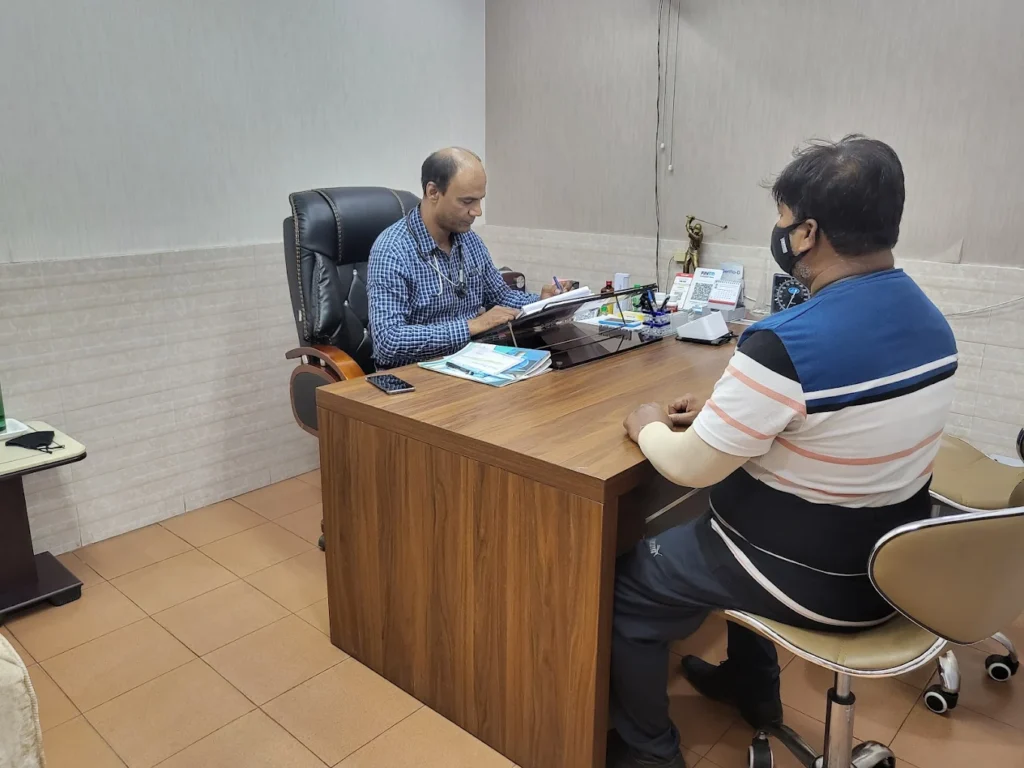
Azoospermia (Nil Sperm Count) Treatment in Delhi
Understand the Causes, Types & Next Steps for Your Fertility
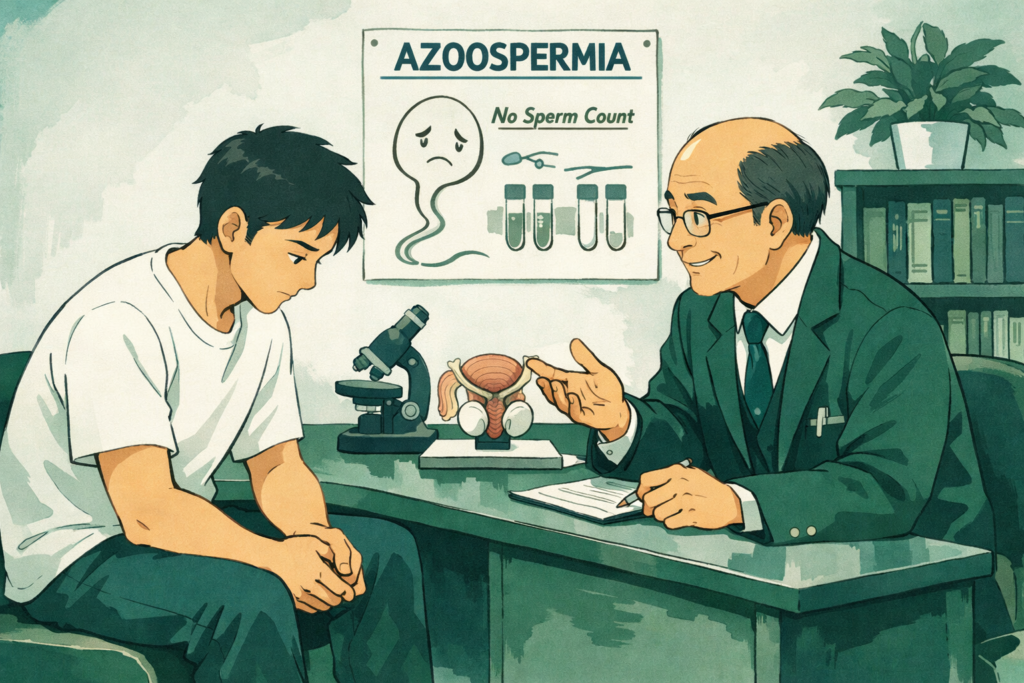
Many Men With Azoospermia Still Become Fathers
Azoospermia affects about 1% of all men and 10–15% of infertile men. But with proper diagnosis and medical guidance, many patients can understand their condition and explore possible treatment paths.
Possible Symptoms of Azoospermia
Most men with azoospermia do not experience obvious symptoms. The condition is usually discovered during fertility testing. However, some men may experience:
If you are experiencing these symptoms, it is important to consult a fertility specialist for proper evaluation.
Why does Azoospermia happen?
Based on over 25 years of clinical experience, Dr. N. A. Khan has seen azoospermia occur due to several medical and lifestyle factors.
Some of the commonly observed causes include:
• Weak sperm production
• Hormonal imbalance
• Blockage in sperm-carrying tubes
• Past infection or inflammation
• Reproductive system injury
• Chronic stress or anxiety
• Poor sleep or unhealthy habits
• Heat exposure affecting reproductive organs
Every patient’s condition is different. That is why proper diagnosis is always the first step before treatment decisions.
Speak Confidentially With Our Doctor
If your semen report shows Nil Sperm Count consultation can help you understand the condition clearly.
Know Which Type of Azoospermia You May Have
In certain cases, improving underlying factors may help restore reproductive balance.
When Should You See a Doctor for Nil Sperm Count?
You should consider speaking with a doctor if:
• Your semen report shows zero sperm count
• You have been trying to conceive for 12 months or longer
• You have a history of infection or reproductive injury
• Previous fertility treatments have not worked
• You want to understand your fertility health clearly
Early consultation helps patients gain clarity and reduce unnecessary stress.
Azoospermia Hope with Dr. N.A. Khan
At The Unani Clinic, treatment is never rushed because Dr. Khan personally focuses on:
• Understanding medical history
• Evaluating hormonal balance
• Understanding lifestyle and stress levels
• Guiding patients toward overall reproductive health improvement
Over the years, thousands of male fertility patients have consulted Dr. N. A. Khan. Many patients have shown improvement in sperm presence and overall reproductive health with proper guidance, discipline, and time.
Patient Experiences at Dr. N. A. Khan’s Unani Clinic


Frequently Asked Questions
How is azoospermia diagnosed?
At Unani Clinic we usually confirm azoospermia through semen analysis. If no sperm are found, further tests may be recommended to identify the cause.
Can azoospermia be treated?
In many cases identifying the underlying cause helps guide treatment and improve reproductive health.
Does zero sperm count mean permanent infertility?
Not always. Some forms are temporary or manageable depending on the cause.
Can azoospermia affect overall health?
Azoospermia itself doesn’t usually impact general health, but sometimes it can be linked to underlying conditions such as hormonal imbalances or genetic issues. That’s why medical evaluation is important.
Can azoospermia be prevented?
Not always. However, protecting reproductive health by avoiding exposure to harmful chemicals, limiting alcohol and tobacco use, maintaining a healthy lifestyle, and treating medical conditions early may reduce the risk of developing azoospermia.
Azoospermia is a medical condition, not a life sentence. Fear, stress, and silence only make it heavier. Talking to an experienced doctor helps you understand where you stand and what can be done. If you have questions or doubts about your report, a calm consultation can help you move forward with knowledge instead of fear.
Related Conditions We Treat
Many patients searching for men’s infertility issues and sexual health solutions visit Dr. N.A. Khan at The Unani Clinic, South Delhi. Along with Azoospermia, Dr. Khan provides specialised Unani treatment for a range of closely related conditions that often occur together.